
01 Apr Study Visit to Brussels within the HI EU Project
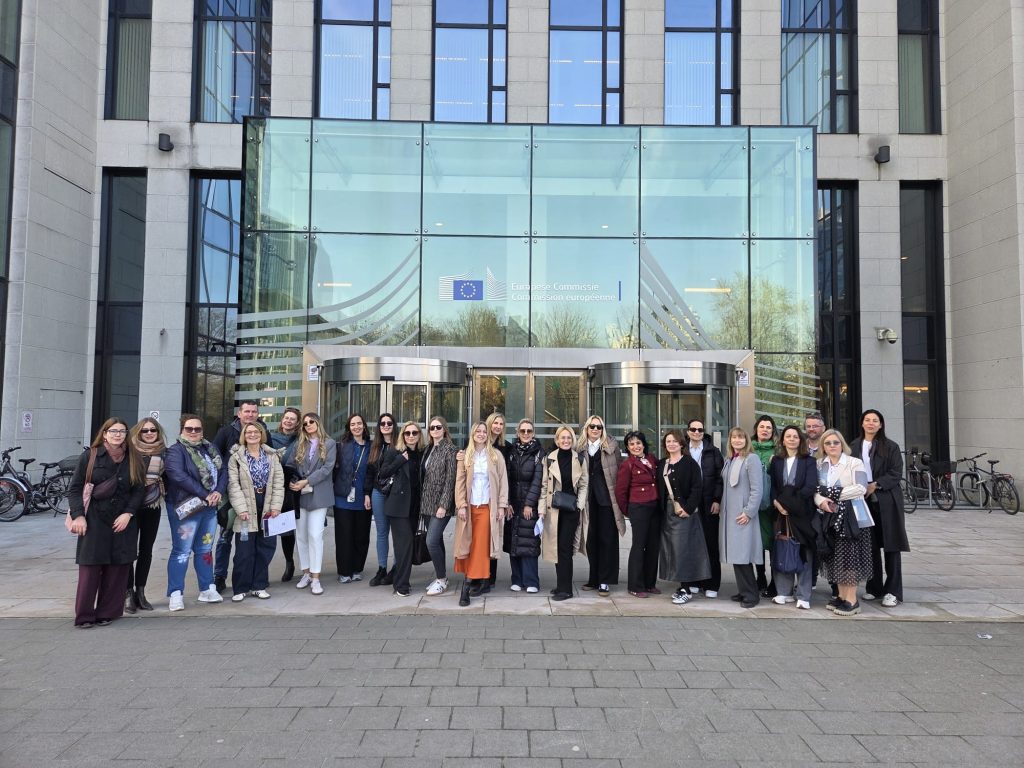
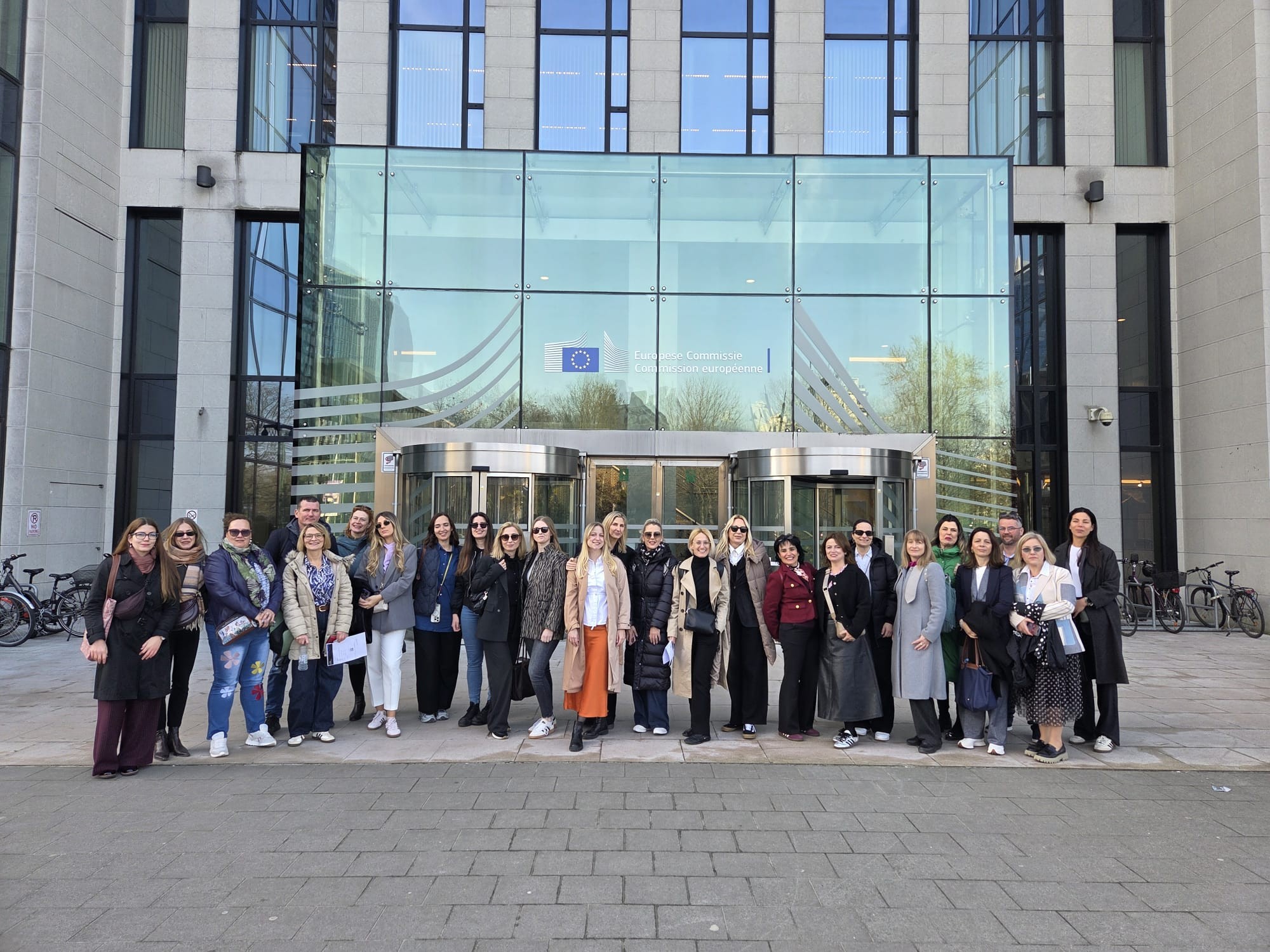
Within the framework of the project Croatian Initiative for the European Union in Schools (HI EU) (project number: 101176282), a study visit to Brussels was held from 15 to 20 March 2026, involving 23 teachers from different parts of Croatia, including primary and secondary schools as well as schools from remote and island areas. The participants are teachers who have the opportunity to teach topics related to the European Union and are involved in the project with the aim of strengthening their competences in teaching EU-related content and enhancing civic and European education in schools. The HI EU project aims to increase understanding of the EU among teachers and students and to develop high-quality, practical teaching materials that contribute to strengthening European identity and informed citizenship.
Prior to the study visit, online workshops were also organized for participants as preparation for the project trip, covering the following topics: Introduction to the European Union, EU Institutions, EU Governance, EU History, EU Values in Education, Pedagogical Approaches, Cultural Awareness, Case Studies, Interactive Activities, and Evaluation and Feedback.
The objective of the study visit was to deepen participants understanding of the functioning of the European Union and to strengthen teachers capacity to teach EU-related topics through practical and innovative approaches. The programme included a combination of educational workshops, institutional visits, and activities focused on the development of teaching materials.
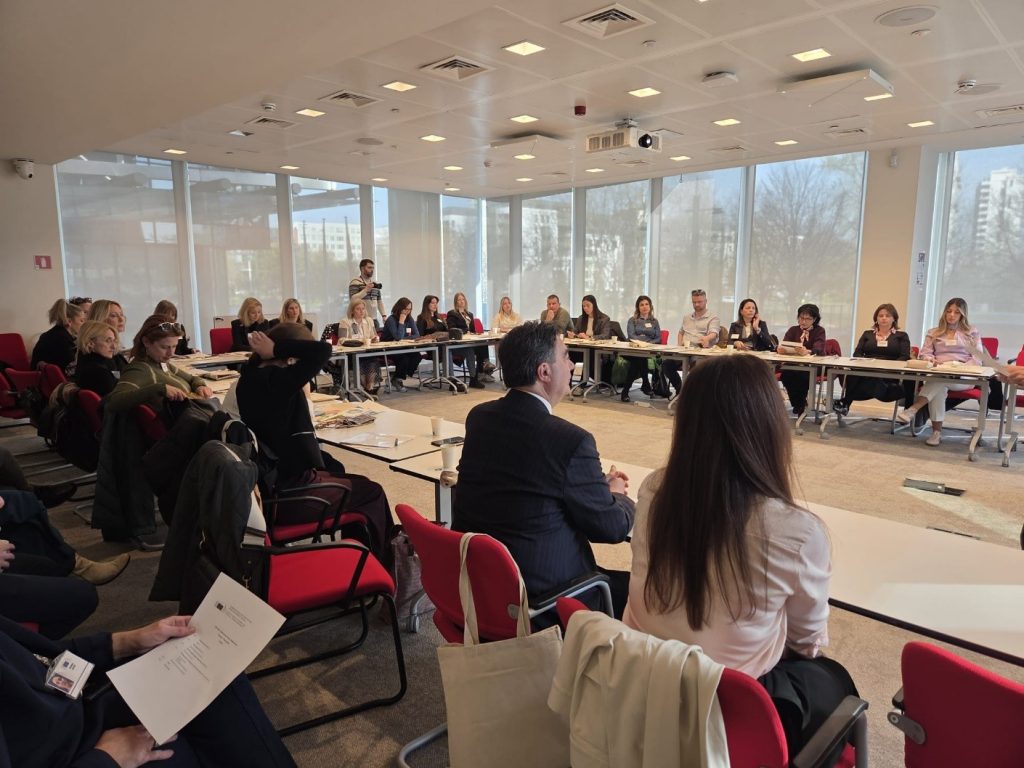
A central component of the programme consisted of co-creation workshops, during which participants, working in teams, developed teaching packages on EU-related topics. Particular emphasis was placed on aligning EU content with existing curricula, exchanging good practices, and developing interactive and student-centred teaching methods.
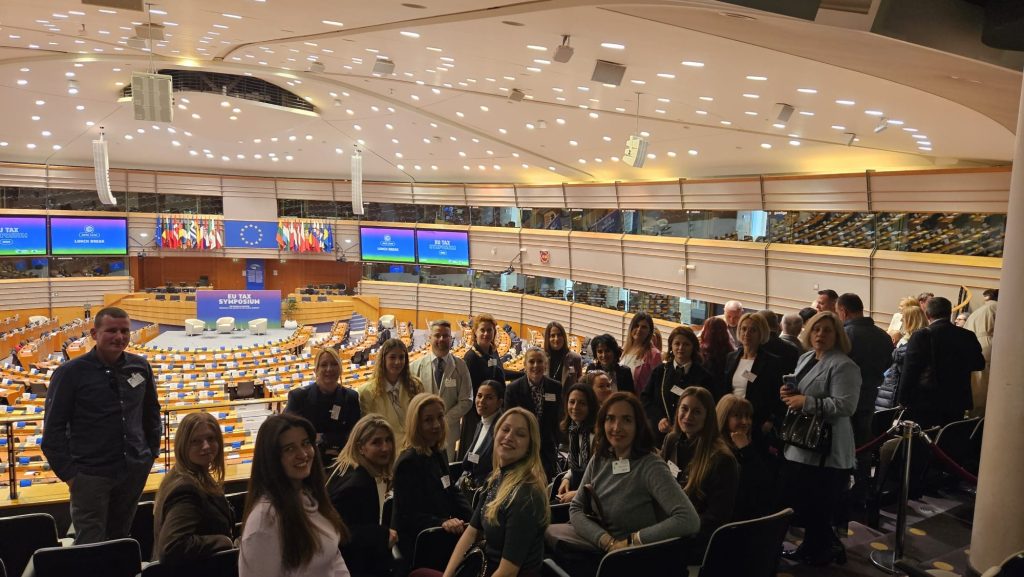
Participants also had the opportunity to gain insight into European institutions through a guided tour of the European quarter in Brussels, as well as visits to the European Parliament. A particularly important part of the programme was a meeting with representatives of the European Education and Culture Executive Agency (EACEA), where participants gained insight into European education programmes and initiatives, including Jean Monnet activities.
During the final activities, participants completed the development of teaching materials that will be used in schools and shared with colleagues through professional networks, thereby ensuring the long-term impact of the project.
This study visit represents an important step in strengthening teachers’ competences and promoting European values in education, with the aim of fostering informed and active European citizens.